
The latest issue of Canadian Stamp News (Vol. 51 No. 13), released Sept. 22, takes collectors behind the printed image to explore two fundamental elements of stamp production: the paper itself and the way stamps are separated.
In the second part of his Royal Philatelic Society of Canada Stamp Talks presentation on “Common Technologies for the Production and Perforation of Stamps,” philatelist Paul Sarjeant examines centuries of papermaking and the development of stamp perforation.
Sarjeant traces papermaking from the days when sheets were individually handmade from textile fibres, explaining the mould-and-deckle process and how the physical characteristics collectors study today were created during production.
He also looks at watermarks, explaining how patterns attached to a papermaking mould produced thinner areas in the finished sheet, before exploring the development of wove paper and the introduction of machine papermaking.
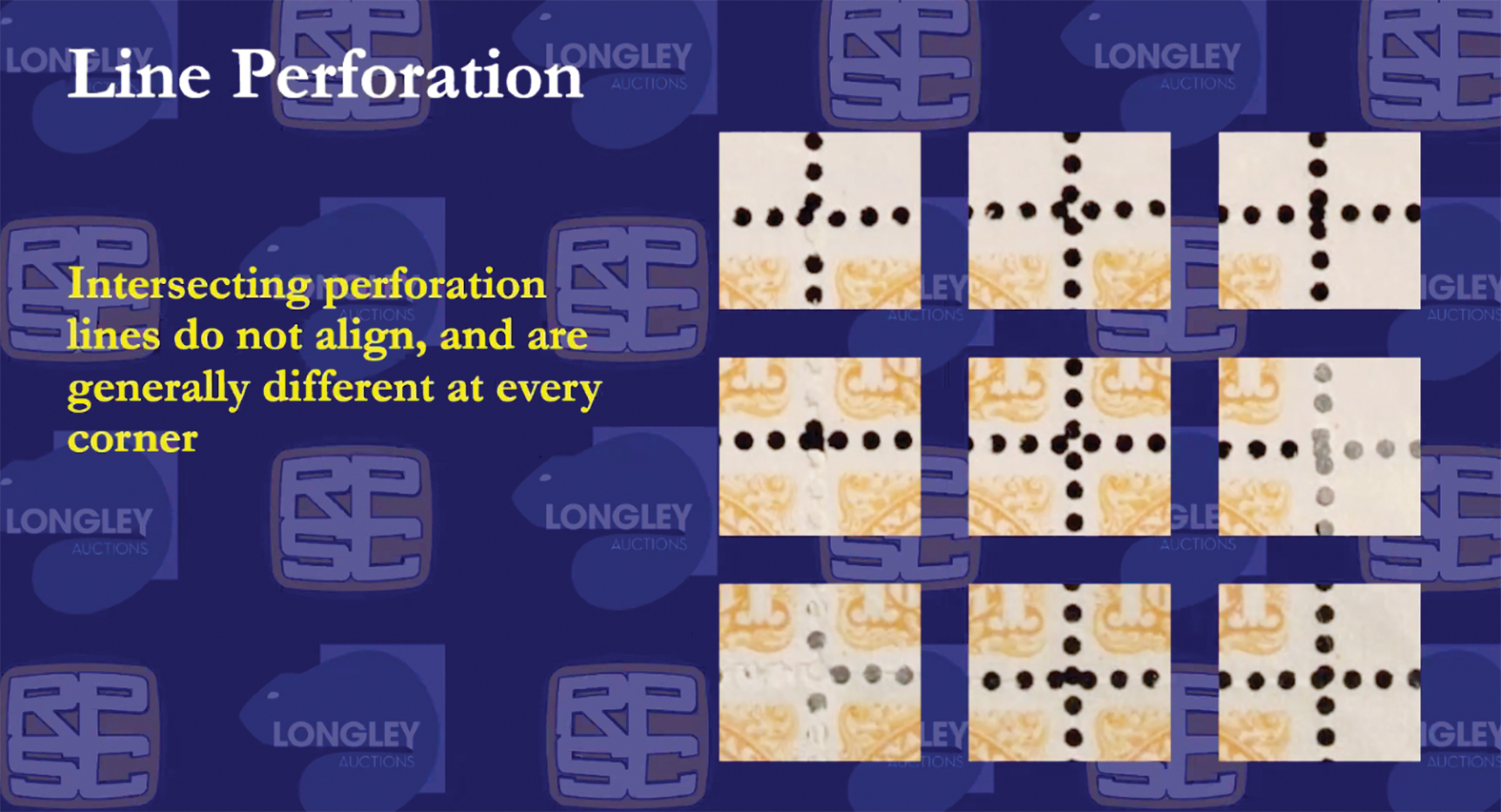
The presentation then turns to perforations and the differences between comb, line and harrow systems. Those production methods left telltale characteristics that can still help collectors understand how a stamp was manufactured.
It is one of several stories featured in the latest Canadian Stamp News, where Diana Revelins takes readers inside Sarjeant’s presentation and shows how even something as familiar as a stamp’s paper and perforations can open another fascinating avenue of philatelic study.