
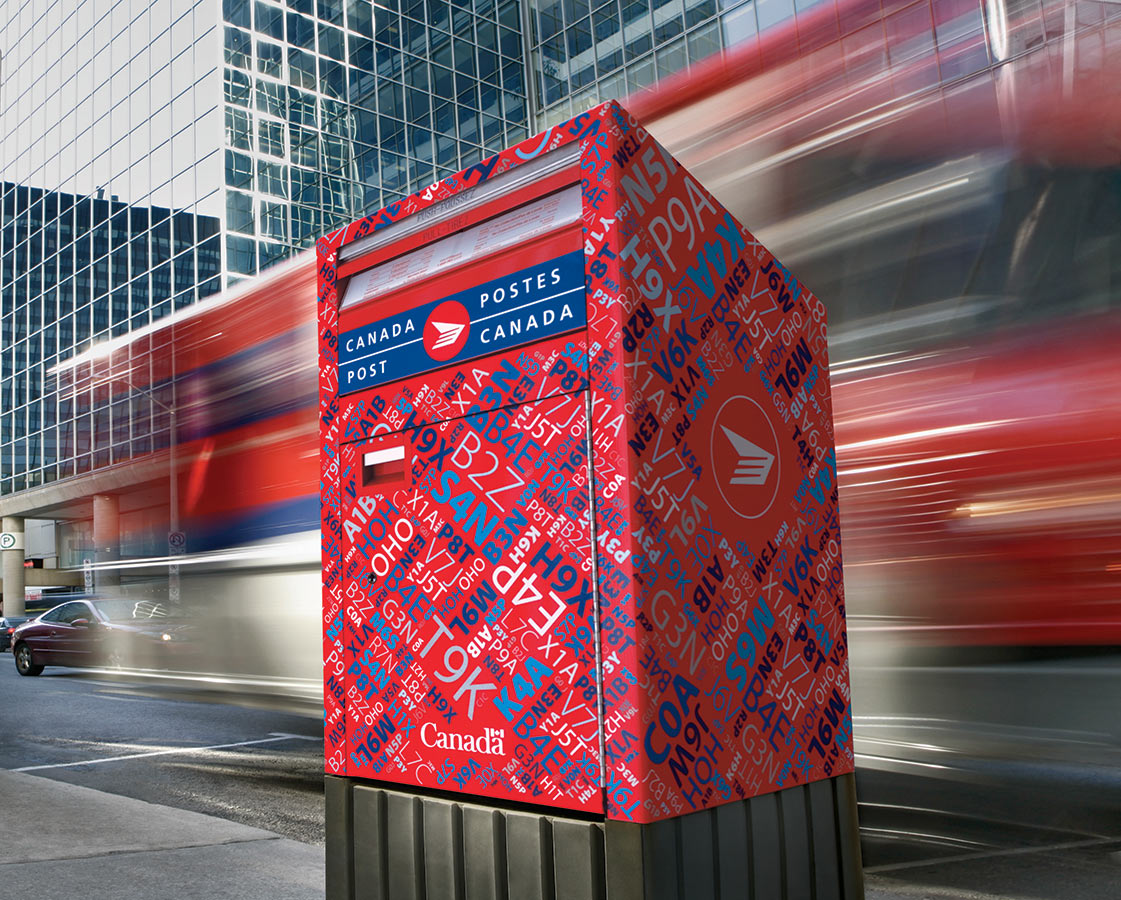
Canada Post recorded a $451-million loss before tax in the third quarter of 2026, despite signs of renewed customer confidence following the resolution of its prolonged labour dispute.
The Crown corporation, which released its third-quarter financial results Nov. 27, has now lost $933 million in the first nine months of 2026, compared with $989 million during the same period last year.
While the latest results show some improvement, Canada Post’s financial challenges and ongoing modernization efforts have implications for the Canadian philatelic community, which continues to rely heavily on the postal service for buying, selling and exchanging stamps and postal history.
Among the most significant developments for collectors, dealers, auction houses and stamp clubs is the federal government’s plan to increase postage rates sometime in 2027.
As previously reported by Canadian Stamp News, the Nov. 5 federal budget outlined plans to increase the price of a single domestic stamp to $2 in 2027, followed by annual increases of seven per cent.
While Canada Post maintains the increase will have a relatively limited impact on consumers and small businesses, higher postage costs could be more significant for stamp dealers selling lower-priced material, collectors participating in mail exchanges and clubs distributing printed newsletters.
For many within the hobby, the cost of mailing an item is becoming an increasingly important consideration, particularly when the postage approaches or exceeds the value of the philatelic material being purchased.
Of particular interest to philatelists is the continued decline in Canada Post’s Transaction Mail business, which includes traditional letter mail.
While revenue and volumes remained relatively flat in the third quarter, Transaction Mail volumes fell by 130 million pieces, or 9.5 per cent, during the first nine months of 2026. Revenue declined by $149 million, or 8.3 per cent.
The continued decline in traditional mail also raises longer-term questions about the role of postage stamps in Canadian society.
With fewer letters being mailed, Canadians have fewer opportunities to encounter postage stamps in their everyday lives — historically one of the ways in which people, particularly children, were introduced to stamp collecting.
The decline also has implications for collectors of contemporary postal history, including those interested in commercial mail, postal markings, rates and routes.
There was some encouraging news for dealers and auction houses that rely on Canada Post to fulfil orders.
Third-quarter parcel revenue increased by 31.3 per cent, while volumes rose by 38.1 per cent, compared with the same period last year, when labour uncertainty and disruptions prompted many businesses to seek alternative shipping services.
Canada Post attributed the recovery largely to domestic parcel shipments, competitive pricing initiatives and improved customer confidence following the ratification of new collective agreements with the Canadian Union of Postal Workers.
The agreements remain in effect until Jan. 31, 2029, providing a period of greater labour stability for businesses and organizations dependent on the postal service.
Canada Post is also proceeding with plans to convert nearly four million addresses receiving door-to-door delivery to community mailboxes over the coming years.
The corporation has begun reviewing its post office network, initially focusing largely on urban areas, while maintaining its commitment to protecting services in rural, remote and Indigenous communities.
For philatelists, changes to the post office network will be worth monitoring, particularly among collectors who document local post offices, cancellations and the evolution of Canada’s postal infrastructure.
Since 2025, Canada Post has received more than $2 billion in repayable federal government funding to prevent insolvency and maintain operations.
The latest federal budget announced an additional $1.4 billion over two years to support operations and $1.2 billion over seven years to help finance the conversion to community mailboxes.
Despite the improving parcel business and greater labour stability, Canada Post continues to face the challenge of maintaining a nationwide postal service while Canadians increasingly turn away from traditional letter mail.
For the philatelic community, the challenge is twofold — maintaining affordable and reliable access to postal services while encouraging interest in the very products and services that are becoming less prominent in Canadians’ daily lives.